


 Home
Home
How Reliable Are Rigid-Flex PCBs in Different Environments?
 January 6,2026
Rigid-flex PCBs, which combine the durability of rigid boards with the adaptability of flexible circuits, are increasingly critical in advanced electronics—from foldable smartphones to life-saving medical implants and robust aerospace systems. As these applications push into more extreme and varied conditions, a fundamental question arises: How well do these hybrid circuits withstand real-world environmental stresses? The answer determines not just product longevity, but also safety and performance in mission-critical scenarios.
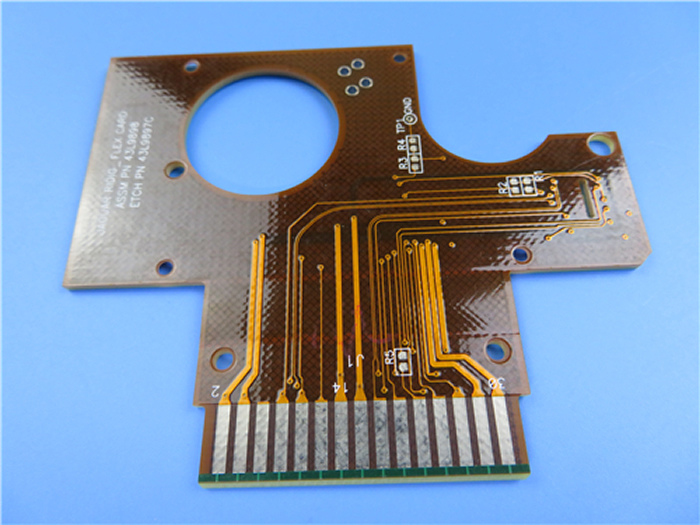
The reliability of rigid-flex PCBs is not inherent; it depends on multiple factors, including intentional material selection, precision manufacturing processes, and anticipated operating conditions. Here is a concise analysis of their performance across different environments:
1.Temperature Environments
Temperature is a critical factor influencing the reliability of rigid-flex PCBs. High temperatures can cause material expansion and deformation, affecting circuit performance, while low temperatures may lead to solder joint or component failures. Effective thermal management is essential to ensure stable operation across varying temperatures. Selecting materials with high heat resistance, such as polyimide substrates, is key to enhancing reliability in demanding thermal conditions.
2.Humidity Environments
Excessive humidity can cause oxidation and corrosion of metal components, impairing electrical performance. Moisture may also result in poor solder wetting, leading to weak connections or short circuits. To mitigate these risks, protective measures like conformal coatings or moisture-resistant laminates are applied to ensure reliable performance in humid environments.
3.Vibration Environments
Vibration accelerates the aging of rigid-flex PCBs, potentially damaging solder joints, pads, and components. It can also induce charge leakage, contributing to electromagnetic interference (EMI). Implementing vibration isolation designs, such as strategic stiffener placement and secure mounting, helps maintain stability and longevity in high-vibration applications.
4.Chemical Environments
In corrosive or chemically aggressive settings, rigid-flex PCBs may degrade if not properly protected. Material selection plays a vital role here—using chemically resistant substrates and finishes ensures durability. For instance, gold-plated contacts or specialty coatings can prevent corrosion in harsh industrial or automotive environments.
5.Mechanical Environments
Mechanical stress from impact or repeated flexing can cause cracks or breaks in rigid-flex circuits. Designing for mechanical robustness—through optimized bend radii, reinforced transition zones, and durable materials—ensures reliability in applications subject to physical strain, such as wearable devices or aerospace systems.
Rigid-Flex PCB Environmental Reliability Test Standards
Test Item |
Standard |
Condition Requirements |
Pass Criteria |
Typical Product Class |
Thermal Cycling |
IPC-TM-650 2.6.7 |
-55°C to +125°C, 1000 cycles |
Resistance change < 10% |
Class 3 (Automotive/Aerospace) |
High-Temperature Storage |
JEDEC JESD22-A103 |
125°C, 1000 hours |
No delamination, electrical function normal |
Class 2/3 |
Humidity Bias (THB) |
IPC-TM-650 2.6.16 |
85°C / 85% RH, 1000h at rated voltage |
Insulation resistance > 10⁸ Ω |
Medical / Automotive |
Flexural Endurance |
IPC-6013D 4.3.4 |
Dynamic bend, Radius=3mm |
> 100,000 cycles |
Wearable Devices |
Salt Spray (Corrosion) |
ASTM B117 |
5% NaCl, 35°C, 96 hours |
Corrosion area < 5% |
Outdoor / Marine |
6.Summary
The reliability of rigid-flex PCBs across diverse environments is influenced by a combination of design, material, and manufacturing choices. Reputable manufacturers address these challenges by integrating protective measures, rigorous testing, and tailored solutions. By carefully considering environmental factors, rigid-flex PCBs can deliver exceptional performance in applications ranging from consumer electronics to mission-critical industrial systems.
Founded in 2003, Shenzhen Bicheng Electronics Technology Co., Ltd is an established high frequency PCB supplier and exporter in Shenzhen, China, serving customers worldwide.
We are devoted to delivering high-frequency PCB products and solutions of the highest quality, along with customized service. Get in touch with us to start your project !
Visit https://www.bicheng-enterprise.com to learn more.